How to Store Wool and Yarn to Prevent Moths and Moisture Damage
You finish a sweater in March, fold it away, and pull it out in November to find a row of small holes along one sleeve. Or worse, a faint musty smell that no amount of airing seems to shift. Both stories are common, and both are almost entirely preventable. Clothes moths and damp are the two quiet thieves of a wool stash, and they do their best work in the dark, in still air, on fibres that were put away slightly dirty or slightly wet.
The good news is that good storage is not complicated or expensive. It is mostly a matter of cleaning things properly before they go away, choosing containers with a bit of thought, and checking in a few times a year. Here is how to do it.
Clean Before You Store, Even When It Looks Clean
Clothes moth larvae feed on wool, but they are especially drawn to wool that carries traces of sweat, skin oils, hair, or food. A sweater worn twice in autumn can look and smell perfectly fresh and still be a meal waiting to happen. The same goes for yarn that has been handled a lot, stored near a kitchen, or bought secondhand.
For garments, wash or dry-clean before storage. Use a wool-safe detergent in cool water, avoid fabric softener and bleach, and skip the tumble dryer. Press the water out gently in a towel, reshape, and dry flat away from radiators and direct sun. It must be bone dry before it goes into any container. A single slightly damp sleeve can seed a whole bin with mildew over a humid summer.
For yarn, new skeins with labels are usually fine, but skeins from a stash or a charity shop deserve a little attention. Air them outdoors on a dry day, and if they smell of smoke, damp, or someone else's cupboard, hand wash and dry them thoroughly before storage. Never tuck anything away "to finish drying later."
Choose Containers That Keep Moths Out and Moisture Under Control
A storage container has two jobs: keep insects out and keep humidity stable. Those goals sometimes pull against each other, so it helps to know what you are asking of each option.
- Clear plastic bins with gasket lids: the best all-round choice. Tight enough to exclude moths, clear enough that you can see what is inside without opening everything, and easy to label.
- Zip pouches and vacuum bags: useful for short trips and small amounts of yarn. Skip compression bags for long-term wool storage; they trap any residual moisture and press permanent creases into knits.
- Cotton pillowcases and canvas bags: breathable and kind to delicate pieces, but not moth-proof. Fine inside a sealed bin, not fine on their own in a cupboard.
- Cardboard boxes: avoid. Cardboard absorbs moisture from the air, moths can chew through it, and the glue attracts insects.
- Wire hangers: avoid for anything heavy. Fold knits instead; hanging stretches shoulders out of shape.
Label each container with the contents and the date it went in. In two years you will not remember which bin holds the lace weight.
Cedar, Lavender, and What Repellents Actually Do
Cedar chests, lavender sachets, and clove pomanders are pleasant and genuinely useful, but it is worth being clear about their limits. They do not kill moths. They make a space less appealing for egg-laying, which is a real benefit when combined with clean wool and sealed containers, and close to useless when a moth has already laid eggs in an unwashed jumper.
Cedar only works while it still smells of cedar. A chest or a set of blocks needs a light sanding once a year to reopen the grain and release fresh oils. Lavender sachets fade within a season or two, so refresh them. Place repellents around the wool rather than pressed against it, and never let essential oils touch the fibre directly, as they can leave permanent marks.
Mothballs are a pesticide. If you use them, follow the label exactly, keep them well away from children and pets, and do not use them in spaces where food or bedding is stored. Many knitters find that cleaning, sealing, and cedar do the job without them.
Give Wool Some Air and Room to Breathe
Moths favour dark, still, undisturbed places, and so does damp. A tightly crammed bin with no air space is exactly the environment both prefer. Fold sweaters loosely and stack them without pressing down hard. Store yarn skeins loose rather than squashed, and use mesh bags to keep colours and weights separate without sealing each one off.
A few times a year, pull everything out. Air the pieces outdoors in the shade on a dry day for a couple of hours, refold along slightly different lines, and put them back. This breaks up the still, dark conditions moths like and lets you spot trouble early. It also prevents the permanent creases that come from a sweater sitting folded the same way for two years.
Keep storage away from radiators, exterior walls, and concrete floors. A shelf in an interior cupboard on an upper floor is a far better home than a basement corner or a garage.
Keep Humidity in Check
Mould and mustiness need moisture, and wool holds onto it. Aim for a stable indoor humidity of roughly 45 to 50 percent; above 60 percent is where problems start. An inexpensive hygrometer takes the guesswork out of it, and a rechargeable dehumidifier box or a few silica gel sachets in each bin will absorb the small amounts that build up in a closed container. Refresh them as the instructions say. They cannot rescue a genuinely wet basement.
If a piece comes out smelling musty but shows no visible growth, air it in the shade and wash it. If you see white, green, or black fuzzy patches, treat it as mould: wash with wool detergent, dry thoroughly, and consider whether the storage spot itself needs fixing. People with asthma or allergies should be cautious around mouldy textiles, and any widespread growth in a storage area is worth addressing properly rather than masking.
What to Do If You Find Moths
- Isolate the affected items immediately, in a sealed bag, away from the rest of the stash.
- Look for the signs: small holes, fine webbing, gritty dust, or pale larvae and cast skins in the folds.
- Freeze small items at a deep freeze setting for at least a week, then bring them to room temperature and wash them.
- Empty and clean the container, replace the repellent, and check every neighbouring bin.
A Storage Routine That Actually Holds Up
Good wool storage is less about buying the perfect chest and more about a few small habits repeated. Wash or air everything before it goes away. Dry it completely. Use sealed, clear containers and label them. Keep a little cedar or lavender nearby and refresh it annually. Store in a dry interior room rather than a basement, and put a reminder in your calendar to open every bin once a season, air the contents, and refold.
That afternoon of sorting costs you very little. It is the difference between opening a bin in autumn to the smell of clean wool and opening it to a small, expensive silence. Take care of the fibre while it is resting, and it will be ready to work with, or wear, whenever you come back to it.
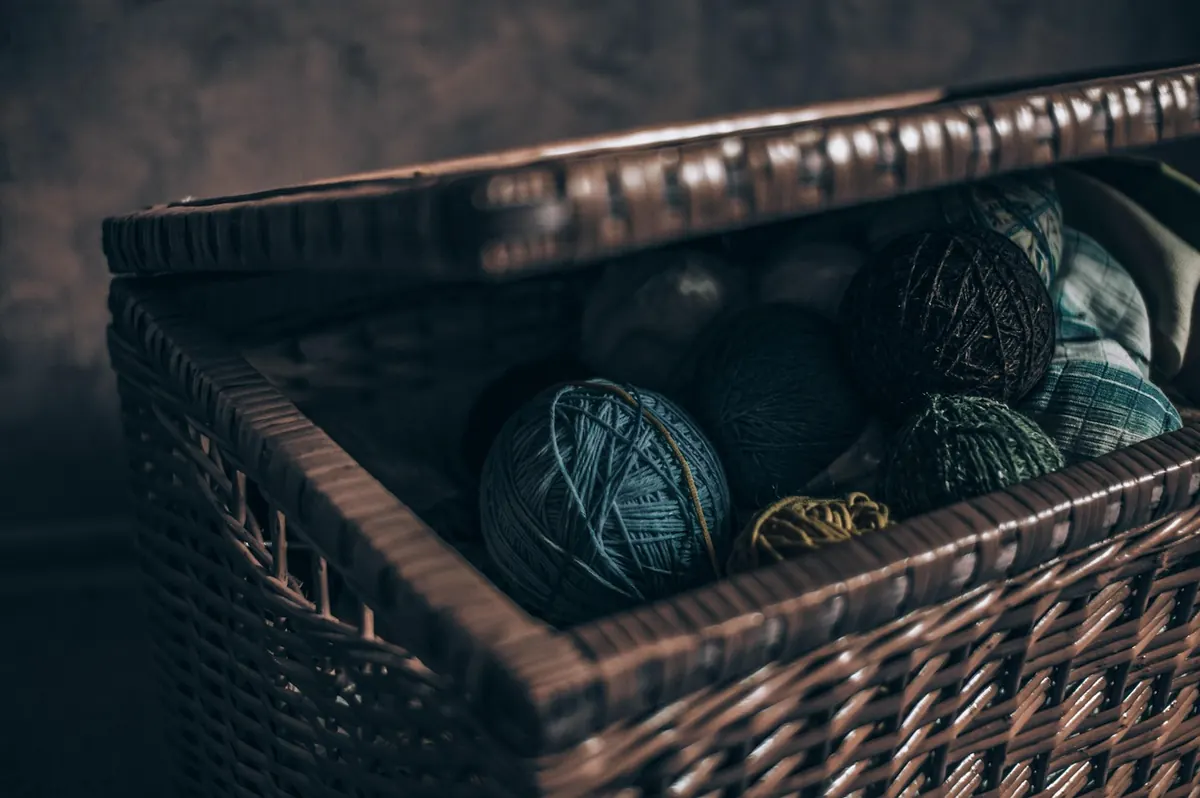
Photo: RuslanSikunov / Pixabay

Summer Crochet: Lightweight Yarn Choices for Breathable Tops and Bags
A practical guide to choosing cotton, linen and summer blend yarns for crocheted tops and bags, with notes...

Local Italian Mill Yarn: Why Small-Batch Wool Offers Unique Texture and Color
Small-batch yarn from Italian mills behaves differently from mass-market skeins: how texture and colour...
About Us